Plant Hire vs Ownership: Why Flexibility Matters During Economic Uncertainty
How Plant Hire Helps Contractors Stay Flexible During Economic Uncertainty
The construction industry has always faced periods of uncertainty, but recent years have presented a particularly challenging environment for businesses across the UK.
Rising operational costs, supply chain disruptions, fluctuating material prices and changing project timelines have all created additional pressures for contractors. In response, many businesses are reassessing how they invest in equipment and manage project resources.
One area receiving increased attention is plant acquisition strategy.
While equipment ownership remains appropriate for some organisations, plant hire is becoming an increasingly attractive option for businesses seeking flexibility and financial control.
Flexibility Through Plant Hire
Hiring equipment allows contractors to respond quickly to changing project requirements without significant capital expenditure. Instead of committing substantial funds to machinery purchases, businesses can access the equipment they need when they need it.
This approach offers several advantages.
Firstly, plant hire helps preserve cash flow.
Economic uncertainty often makes forecasting more difficult. By hiring equipment, contractors can avoid tying up capital in assets that may not be fully utilised throughout the year. This can be particularly valuable for businesses managing seasonal workloads or fluctuating project pipelines.
Access to Specialist Equipment
Secondly, plant hire provides access to a broader range of specialist equipment.
Different projects often require different machinery. A contractor may need telehandlers for one project, access platforms for another and excavation equipment for a third. Hiring allows businesses to select the most appropriate machinery for each individual contract without maintaining a large owned fleet.
Reduced Maintenance Burden
Maintenance and servicing responsibilities are also reduced.
Owning plant equipment involves ongoing inspection, maintenance, repairs, certification and storage requirements. Hire providers typically manage these responsibilities, allowing contractors to focus on project delivery rather than equipment administration.
Scalability & Flexibility on Projects
Flexibility is another major benefit.
Construction projects can change quickly. Additional machinery may be required at short notice, or equipment needs may reduce as works progress. Plant hire enables businesses to scale resources up or down as required, helping maintain efficiency throughout the project lifecycle.
Image inspiration:
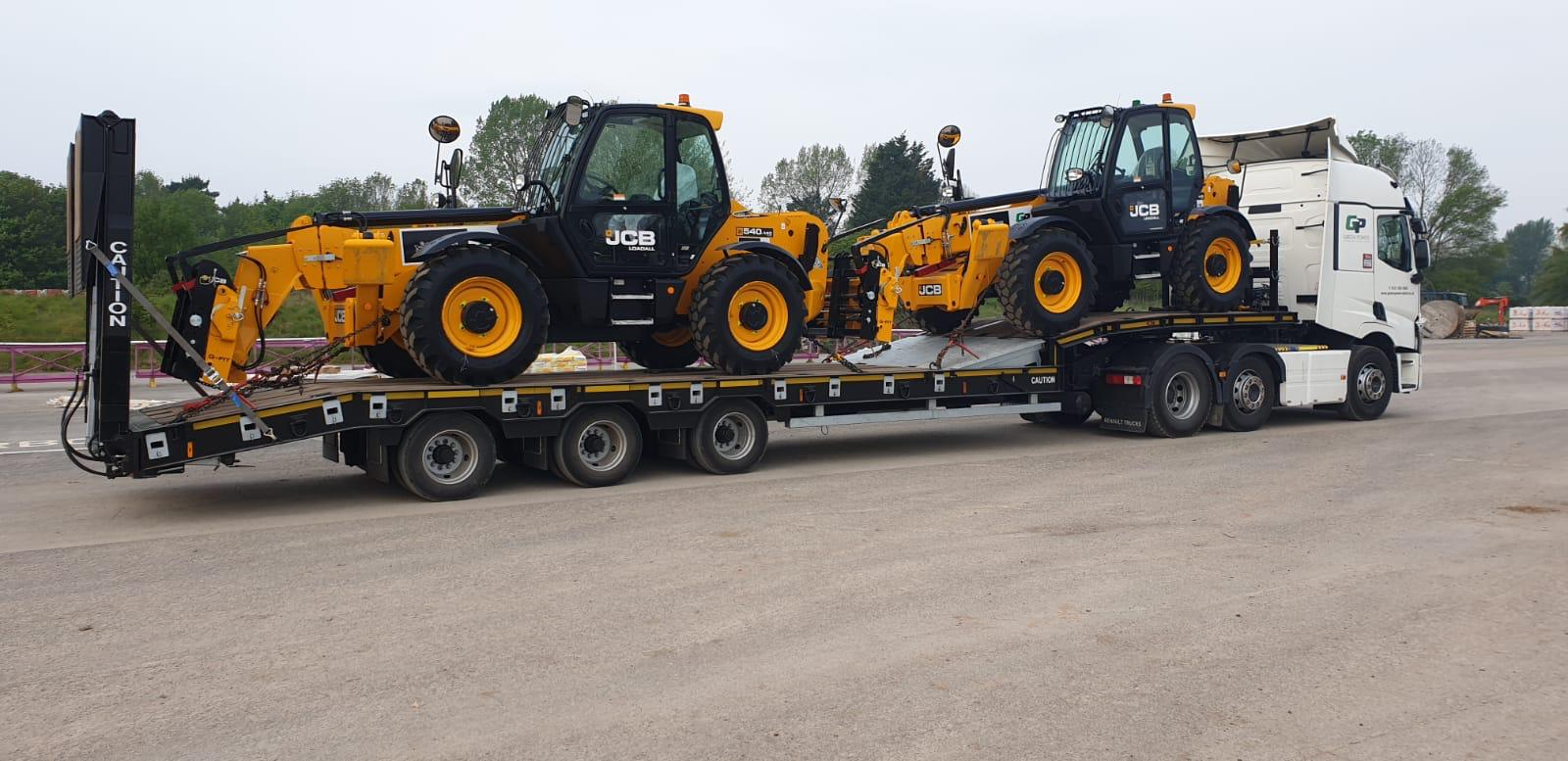
Mobile machinery being moved between sites (lorry loading/unloading plant)
Busy construction site with multiple machines working together
Project coordination / site manager overseeing operations
Modern & Evolving Equipment
The increasing pace of technological development is also influencing equipment decisions.
Manufacturers continue to introduce more efficient, environmentally conscious and technologically advanced machinery. Hiring allows contractors to benefit from newer equipment without facing depreciation risks associated with ownership.
This is particularly relevant as sustainability requirements continue to evolve.
Sustainability & Compliance
Many clients now place greater emphasis on environmental performance throughout construction projects. Access to modern, lower-emission equipment can support compliance while helping businesses remain competitive when tendering for work.
Geographic Flexibility
Plant hire also supports geographic flexibility.
Companies operating across multiple locations can access equipment where it is needed rather than transporting owned machinery long distances between projects. This can reduce logistical challenges while improving operational efficiency.
Hybrid Ownership Model
For many contractors, the goal is not necessarily to replace ownership entirely. Instead, it is about creating the right balance.
Core equipment may remain owned, while specialist or project-specific machinery is sourced through trusted hire partners. This hybrid approach allows businesses to maintain control while benefiting from the flexibility that hire solutions provide.
Conclusion & Brand Positioning
As economic conditions continue to change, adaptability is becoming one of the construction industry’s most valuable assets.
At Green Power Plant Hire, we support contractors nationwide with access to modern plant, powered access equipment, generators, welfare facilities and specialist machinery. By providing flexible hire solutions backed by responsive service, we help businesses remain agile and prepared for changing project demands.
Generator Hire for Construction Sites: Why Reliable Power Matters More Than Ever
Why Reliable Generator Hire Remains Essential in Modern Construction
Construction projects rely on many moving parts, but one requirement underpins almost every successful site operation: power.
From welfare facilities and site offices through to lighting towers, security systems and specialist equipment, reliable access to electricity is essential for maintaining productivity and safety throughout a project. While mains power may be available on some developments, many sites still require temporary power solutions to support daily operations.
This is where generator hire continues to play a vital role.
Modern construction projects are often launched before permanent infrastructure is fully established. Groundworks, highways projects, infrastructure developments and remote site operations frequently require immediate access to dependable power sources from day one.
Without reliable power, critical site functions can quickly be disrupted.
Temporary offices require electricity for computers, communications equipment and site management systems. Welfare facilities rely on generators to provide lighting, heating, hot water and essential amenities. Security systems, CCTV and access control measures also depend on uninterrupted power supplies.
Any failure can result in delays, reduced productivity and increased costs.
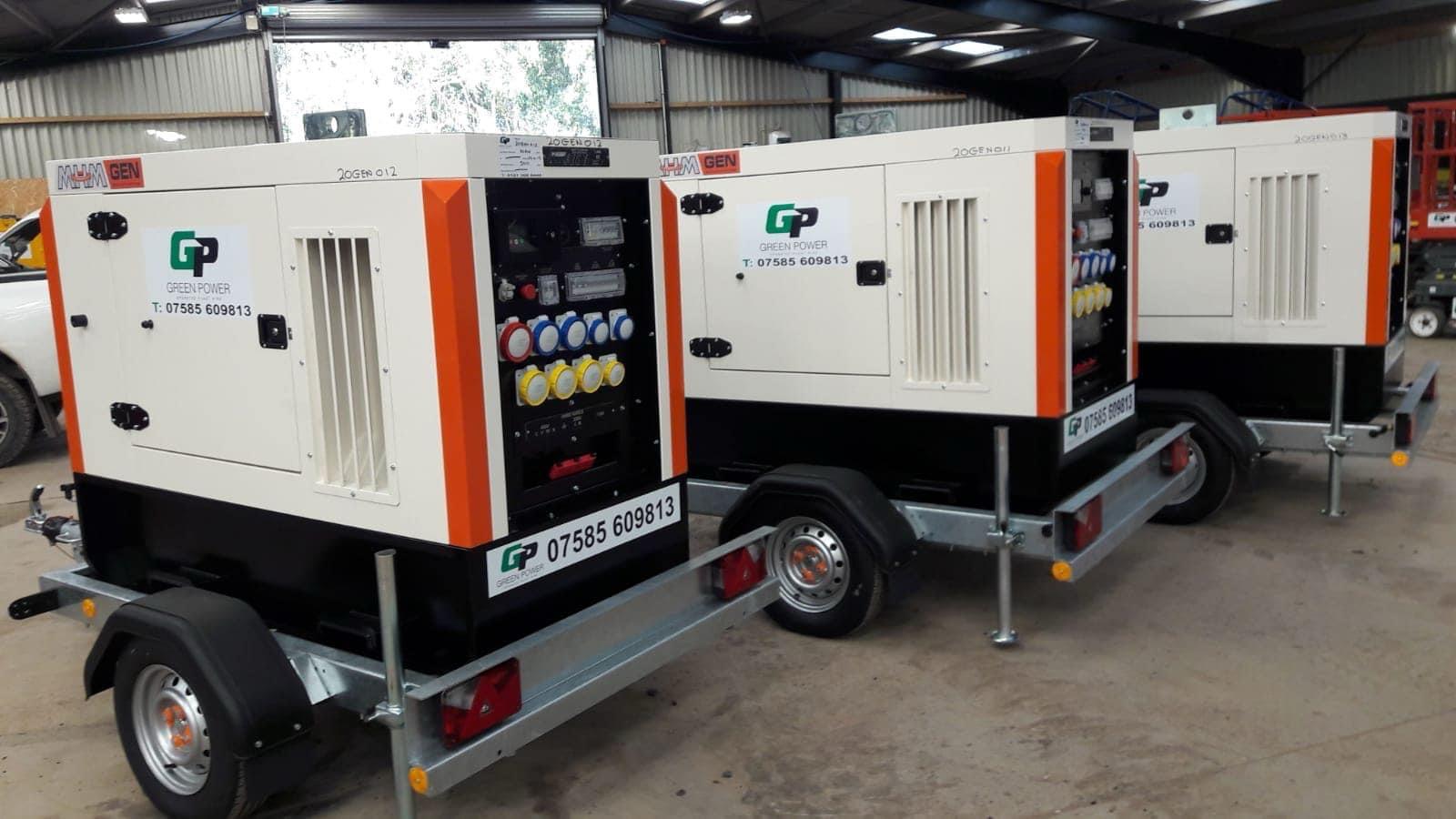
As construction schedules become increasingly demanding, contractors are looking for generator solutions that offer flexibility, reliability and efficiency. Modern generator fleets now include diesel, petrol and hybrid options capable of supporting projects of varying sizes and durations.
Selecting the correct generator is crucial.
Undersized equipment may struggle to cope with demand, leading to outages and operational issues. Oversized generators can result in unnecessary fuel consumption and higher operating costs. Working with an experienced plant hire provider helps ensure the correct solution is specified from the outset.
Fuel management has also become a significant consideration.
With fuel costs remaining volatile, businesses are placing greater emphasis on efficiency. Newer generator systems often incorporate advanced controls designed to optimise performance while reducing unnecessary fuel usage.
Hybrid technology is becoming increasingly popular on construction projects. These systems combine traditional power generation with battery storage technologies, helping reduce fuel consumption while maintaining reliable power availability.
Environmental considerations are also influencing equipment choices.
Many contractors are actively seeking ways to reduce emissions across their operations. Lower-emission generators, hybrid systems and alternative fuel options are becoming increasingly common as businesses work towards sustainability targets.
Despite these developments, reliability remains the most important factor.
Power interruptions can affect everything from worker welfare to site security and project delivery schedules. Having access to well-maintained equipment supported by responsive service teams can make a significant difference when challenges arise.
Nationwide projects often require additional flexibility. Contractors need confidence that equipment can be delivered quickly, supported effectively and replaced if circumstances change.
This is particularly important for infrastructure projects, utility works and emergency response situations where operational downtime simply is not an option.
Generator hire also provides financial advantages compared to outright equipment ownership. Businesses gain access to modern, maintained equipment without the capital investment, servicing responsibilities or long-term storage requirements associated with purchasing machinery outright.
As project demands continue to evolve, access to dependable temporary power remains a fundamental requirement across the construction industry.
At Green Power Plant Hire, we provide generator hire solutions designed to support construction, infrastructure, industrial and commercial projects throughout the UK. From smaller site requirements through to large-scale temporary power demands, reliable equipment and responsive support remain at the heart of successful project delivery.
Sustainable Welfare Units: Why More UK Construction Sites Are Making the Switch
The Rising Importance of Sustainable Welfare Units on UK Construction Sites
Across the UK construction sector, sustainability is no longer viewed as a future objective. It has become a key consideration in how projects are planned, delivered and managed on a day-to-day basis. As environmental expectations continue to increase across both public and private sector developments, site managers are looking for practical ways to reduce emissions while maintaining productivity and compliance.
One area that has seen significant change in recent years is site welfare.
Traditional welfare units have long relied on diesel generators to provide power for lighting, heating, hot water and essential facilities. While effective, these systems often contribute to high fuel costs, increased emissions and additional maintenance requirements. As a result, many contractors are now exploring more sustainable welfare solutions.
Modern welfare units are increasingly incorporating hybrid technology, solar integration and energy-efficient systems designed to reduce generator run times and fuel consumption. These developments are helping construction companies meet environmental targets while also improving overall site efficiency.
The demand for sustainable welfare facilities is being driven by several factors. Firstly, many principal contractors are now expected to demonstrate environmental responsibility throughout their supply chains. Procurement frameworks increasingly favour businesses that can show genuine efforts to reduce carbon emissions and environmental impact.
Secondly, fuel prices remain unpredictable. Construction businesses are constantly looking for ways to reduce operational costs, particularly on longer-term projects where generator fuel consumption can become a significant expense.
Sustainable welfare units help address both concerns.
Many modern units feature intelligent power management systems that automatically regulate energy usage throughout the day. LED lighting, improved insulation, battery storage and solar charging capabilities all contribute towards reducing fuel dependency.
For projects operating in environmentally sensitive areas, these solutions can offer additional advantages. Reduced noise levels, lower emissions and improved energy efficiency can help contractors meet local environmental requirements while creating a more comfortable working environment for site personnel.
Worker welfare remains another important consideration.
Construction regulations require employers to provide suitable welfare facilities, including rest areas, washing facilities and toilet provisions. Modern welfare units deliver these requirements while offering improved comfort and usability for workers throughout the year.
As recruitment and workforce retention continue to be challenges across the construction sector, providing high-quality welfare facilities can have a positive impact on employee wellbeing and site morale. Comfortable break areas, reliable heating and improved facilities contribute towards a more productive working environment.
The growing adoption of hybrid and eco-friendly welfare units also reflects wider changes across the plant hire industry. Contractors are increasingly seeking equipment that balances operational performance with environmental responsibility.
Many plant hire providers now offer eco and hybrid equipment alongside traditional machinery, allowing customers to make informed decisions based on project requirements, sustainability goals and budget considerations. This flexibility is becoming increasingly valuable as environmental expectations continue to evolve.
For infrastructure projects, highways work, utilities contracts and major commercial developments, sustainable welfare facilities are becoming an increasingly common sight. The ability to reduce fuel consumption while maintaining full compliance and workforce comfort makes these units an attractive investment.
At Green Power Plant Hire, we understand the growing demand for efficient, practical and environmentally conscious site solutions. Alongside our extensive plant hire fleet, we provide welfare solutions designed to support safe, productive and compliant working environments across projects of all sizes.
As the construction industry continues its journey towards greater sustainability, welfare units are proving that even essential site facilities can play an important role in reducing environmental impact while delivering long-term operational benefits.
The future of construction welfare is not simply about compliance. It is about creating smarter, more efficient sites that support both people and project performance.
Adding products to your Green Power plant Hire Wishlist
By adding products to your Wishlist allows us to get a clear understanding of your requirements. Simply Click ‘add to Wishlist’ on any product throughout the site and it will add the product to your Wishlist. When you’re ready to contact us with your request, you have the option to submit your Wishlist to us via the contact form on our ‘contact us’ page. (this is automatically selected on the contact us page).
Alternatively, there’s an option to add product categories to your Wishlist on our contact us page. Check it out!