Telehandlers
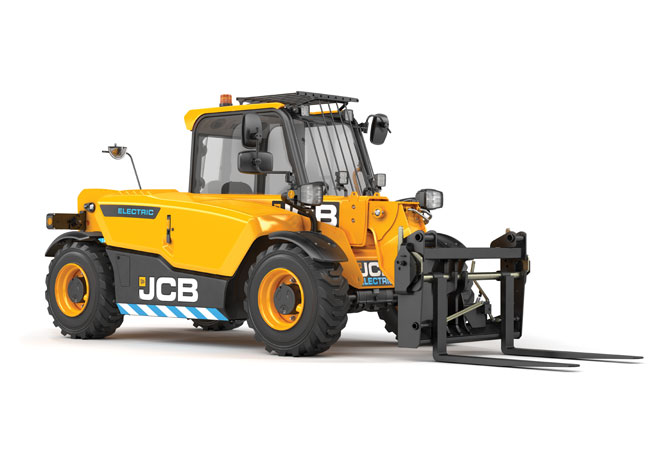
When it comes to lifting, placing, and manoeuvring heavy loads across challenging terrain, few pieces of equipment match the adaptability of the telehandler. Combining the reach of a crane with the manoeuvrability of a forklift, telehandlers have become an indispensable asset across construction, agriculture, industrial, and infrastructure sectors, and for good reason.
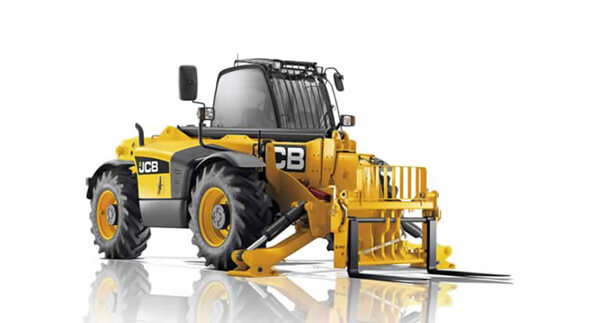
At their core, telehandlers are defined by their telescopic boom, which extends forwards and upwards to place materials at height or over obstacles that would defeat a conventional forklift. This single design feature unlocks an enormous range of applications, from stacking pallets in a warehouse to placing roof trusses on a building site, or moving bales across uneven farmland. With the right attachment fitted, whether forks, buckets, winches, work platforms, or lifting hooks, a single telehandler can replace multiple pieces of specialist equipment on the same job.
Modern telehandlers are engineered to perform in conditions that would stop other machines in their tracks. All-wheel drive, oscillating axles, and high ground clearance make them equally capable on compacted hardcore or soft, rutted ground. Operators benefit from increasingly sophisticated cab environments, with load management systems, 360-degree cameras, and fingertip controls reducing fatigue and improving safety across long working days.
Capacity and reach vary widely across the telehandler range, making it important to match the machine to the task. Compact models suit confined urban sites and indoor applications, while large-frame rotating telehandlers bring crane-like flexibility to major construction and civil engineering projects. Maximum lift heights can extend beyond 30 metres on the most capable machines, with lift capacities ranging from around one tonne through to six tonnes or more.
Fuel efficiency and emissions compliance have become central considerations in recent years. Today’s telehandlers increasingly feature Stage V compliant engines, auto-idle functions, and in some cases hybrid or electric powertrains, reducing both operating costs and environmental impact without compromising performance. Browse our eco and hybrid equipment range for the latest low-emission options.
Whether you are sourcing a telehandler for a short-term hire, a long-term contract, or outright purchase, choosing the right specification from the outset will save time and money on site. Our range covers leading manufacturers and a broad spread of capacities, reach heights, and attachment compatibility, so whatever your project demands, you will find a machine built to meet it. Our CPCS certified operators are also available if you need a fully operated hire solution.